Shopping Cart


In stock

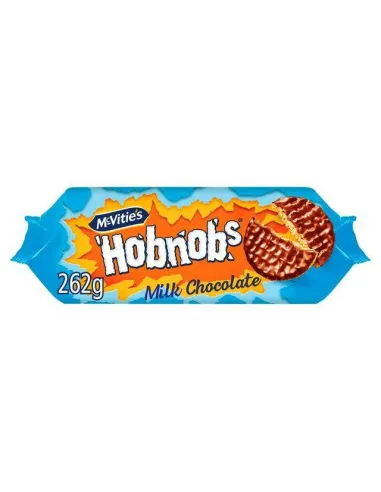
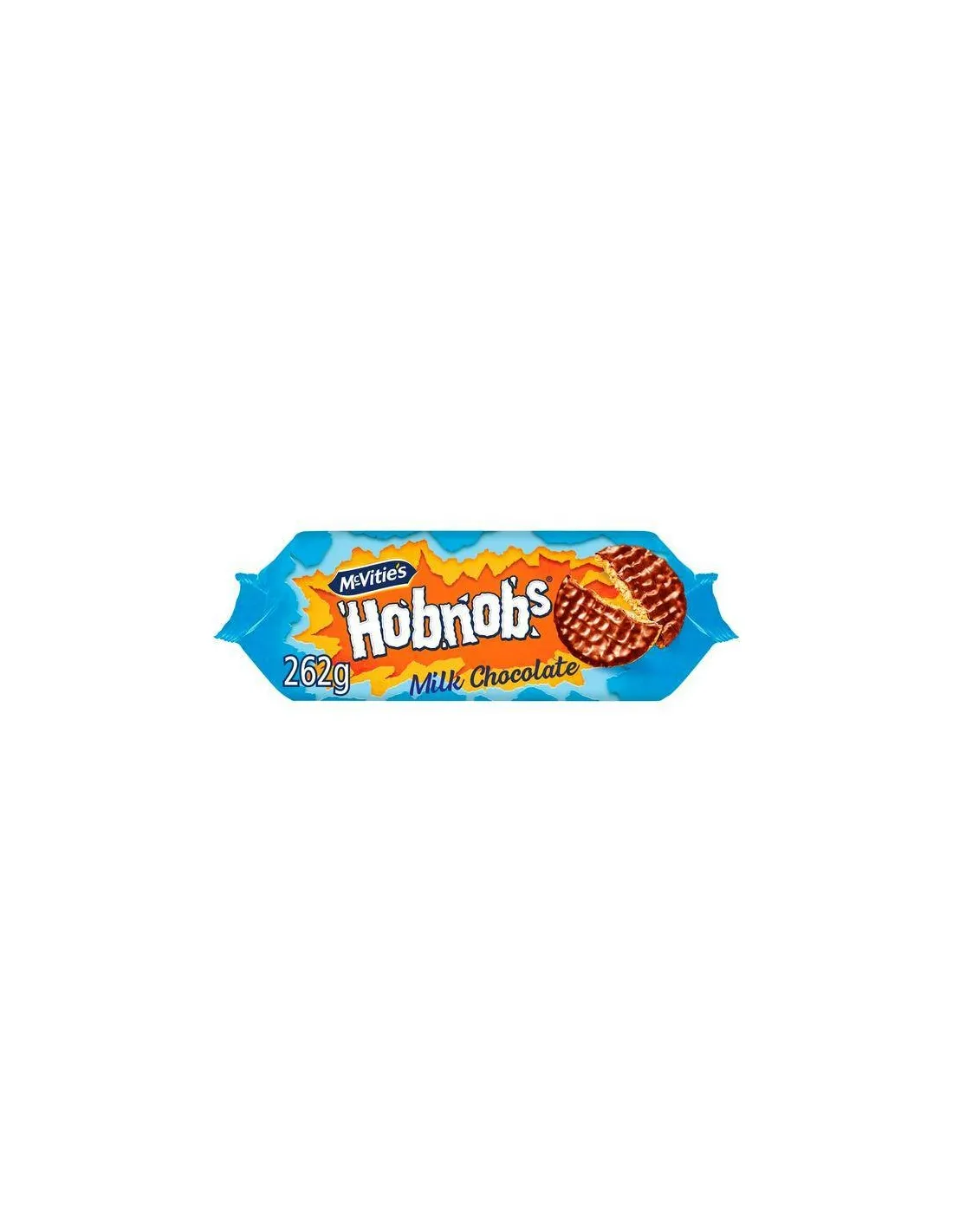
McVitie's Hobnobs rustic oatmeal biscuit, coated on one side with a layer of milk chocolate, in a 262g pack. Crunchy, generous and made for dipping.
Heritage
The Duke recommends
“Dip the chocolate side into a mug of milk tea for three seconds: the chocolate melts, the oats remain crunchy.”
“The oatmeal biscuit that doesn't mind tea.”
A Hobnob is first and foremost about texture: clearly visible oat flakes, a thick and slightly uneven dough, and a crunch reminiscent of a flapjack, but drier. The Milk Chocolate version adds a layer of milk chocolate on one side, which makes it melt-in-your-mouth and softens the cereal flavour. The toasted oat taste lingers until the very last crumb, which is what sets it apart from a simple chocolate biscuit.
The British regularly rank it among their favourite biscuits to enjoy with tea. Its oat flake structure allows it to withstand longer soaking times than average without breaking. First, the chocolate melts in just a few seconds: the chocolate begins to melt, but the biscuit remains firm. It's the perfect biscuit for a 4 pm break, with a mug of milky tea.


Frequently Asked Questions
The British have their teatime classics: McVitie's Digestives and Hobnobs, Rich Tea, Custard Creams and Bourbon Creams, Crawford's Garibaldi, butter shortbread, and of course, Jaffa Cakes. Everyone has their favorite, and the debate will never be settled.
This is the quintessential English biscuit: made with wholemeal flour, lightly sweetened, with a crumbly texture. It originated in the 19th century, and its name comes from the idea that it aided digestion. It can be enjoyed plain, topped with chocolate or caramel, and also makes an excellent cheesecake base.
A very serious question across the Channel: it was even settled by a British court in 1991, which ruled that Jaffa Cake was indeed a cake. Its soft sponge hardens as it ages, like a cake, whereas a biscuit softens. Cake or biscuit, it remains delicious.
It's the very British art of dipping a biscuit in a cup of tea. Rich Teas and Digestives are the champions of this technique. The secret: dip it just enough to soften the biscuit, without letting it fall into the cup.
In the UK, "pudding" often refers to the dessert in general, but also to a family of soft cakes cooked by steaming or baking: sticky toffee pudding, spotted dick, Christmas pudding … They are served hot, ideally topped with custard.
This is the British version of custard, thicker and more vanilla-flavored. It's perfect with crumbles, puddings, and fruit tarts, served hot or cold. Bird's custard powder, invented in 1837 without eggs, remains the most famous today. Ambrosia offers it ready to serve.
At Candy Dukes , nothing goes to waste. Products nearing or past their best-before date are offered at reduced prices, up to 80% off. You get a great deal, and a perfectly good product doesn't end up in the bin. A small step for the planet, and a big treat for those with a sweet tooth.
The "use by" date applies to fresh products, such as meat or dairy: once this date has passed, they should no longer be consumed. The "best before" date applies to grocery products: sweets, biscuits, teas, canned goods, sauces, etc. After this date, the product remains safe to eat. Only its quality may change slightly. To reduce food waste, we only offer products with a "best before" date, never with a "use by" date.