


Shopping Cart
- Candy Dukes
- Journey
- 2 comments
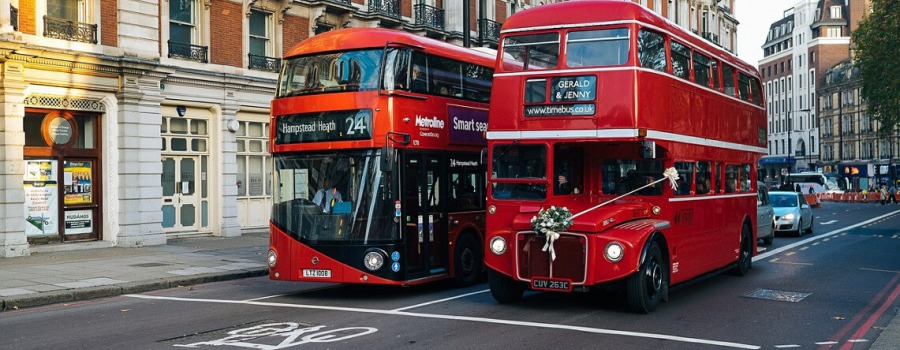
Every year, thousands of people from all over the world visit the English capital: London. It's one of the top tourist destinations, and it's easy to see why. But like any trip, it requires a bit of planning, and that's not always easy. That's why we decided to write this short guide with our best tips and tricks to make your trip easier and more enjoyable.
GOING TO LONDON
There are many ways to get to London. By train, sea, or land… the Eurostar has been the most popular option for the past few years. But other means of transport might be a better alternative depending on your budget or starting point.
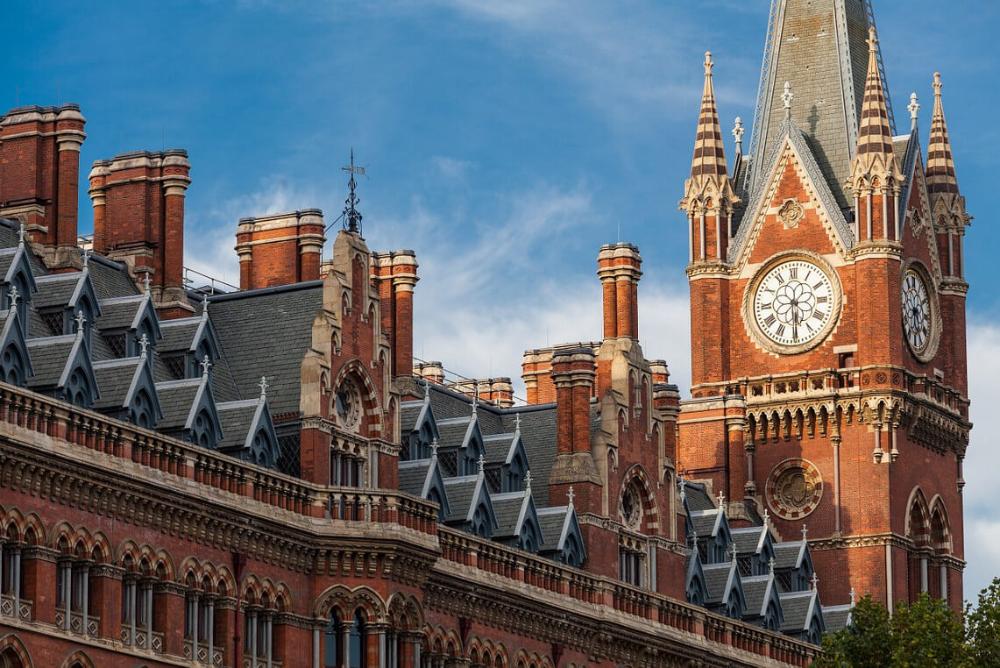
– By Eurostar : The fastest and easiest way to get to London. In just 2 hours and 30 minutes, you arrive at St. Pancras International, right in the heart of London! The main departure point is Gare du Nord in Paris. But there are also several other departure stations such as Marne-la-Vallée, Lille, Calais, Lyon, and Brussels. Prices generally rise quite quickly and can be very high. It's advisable to book 2 to 4 months in advance. Alternatively, Eurostar regularly offers special deals like Snap, which allow you to take advantage of lower fares.
– By BUS : A fairly economical option, departing from several French cities, but also very long. Several operators offer this route, such as OuiBus, FlixBus, and Eurolines. Prices start at €15 one way, for a journey time of between 8 and 12 hours.
– BY CAR : Coming to London by car means you'll have to take the Eurotunnel, which enters in Calais. The crossing takes 35 minutes and costs from €37 one way. The exit is in Folkestone, so remember to drive on the left! However, a car isn't very practical in London. You'll have to pay the congestion charge every day, find parking spaces, and be patient in traffic jams… just like in all major cities. We recommend an alternative mode of transport.
– By FERRY : You can also cross the Channel by ferry. Departing from Calais, the ship arrives in Dover in 90 minutes. You can then reach London by train. A round trip starts from around fifty euros.
– BY PLANE : London is very well connected to France by air. Around ten airports in France offer flights to the English capital. Depending on where you live in relation to the Eurostar stations, this could be an attractive option. Unlike the Eurostar terminal, the six airports are all located in the suburbs. Remember to factor in the price and travel time to reach central London. Flights start at around €50. Be aware of baggage fees, which can quickly increase the cost!
ACCOMMODATION
London is a fairly expensive city for housing. Whether for Londoners themselves or tourists, finding well-located and affordable accommodation can be difficult. Prices vary, of course, depending on the neighborhood. For example, prices are relatively high around Notting Hill, while prices are much lower near Greenwich. The further you get from central London, the lower the prices tend to be. The public transport network is well-developed, even outside the city centre. Some neighborhoods are well-connected, and you can easily reach tourist attractions.
– HOTELS : London offers hotels of all types, from no-star to sumptuous palaces. Prices start at around €80 in central London and can easily exceed €1,000 in the capital's finest suites. The main factors influencing price are location and comfort level. Don't hesitate to look in the suburbs, which are well-served by public transport, to find better deals. Booking.com is an excellent hotel directory, providing a wealth of information (including customer reviews) in a short amount of time. However, it's always a good idea to check prices on the hotel's own website; you might find a pleasant surprise.
– AIRBNB : A great way to enjoy an entire place, Airbnb is very popular in London. You can find accommodation in every neighborhood and at every price point. Make sure the host's terms and conditions match what you're looking for (entire place or shared, check-in and check-out times, cleaning fees, etc.). Finding the perfect place can sometimes take some searching, but it's worth it!
– HOSTEL : The cheapest option, but also the least convenient. It's possible to find a room in a hostel for around thirty euros per night. At this price, you'll have access to a bed in a shared dormitory and a shared bathroom. Check the location and previous guest reviews carefully to avoid any unpleasant surprises.

THE (FEMALE) DOCUMENTS YOU NEED TO HAVE
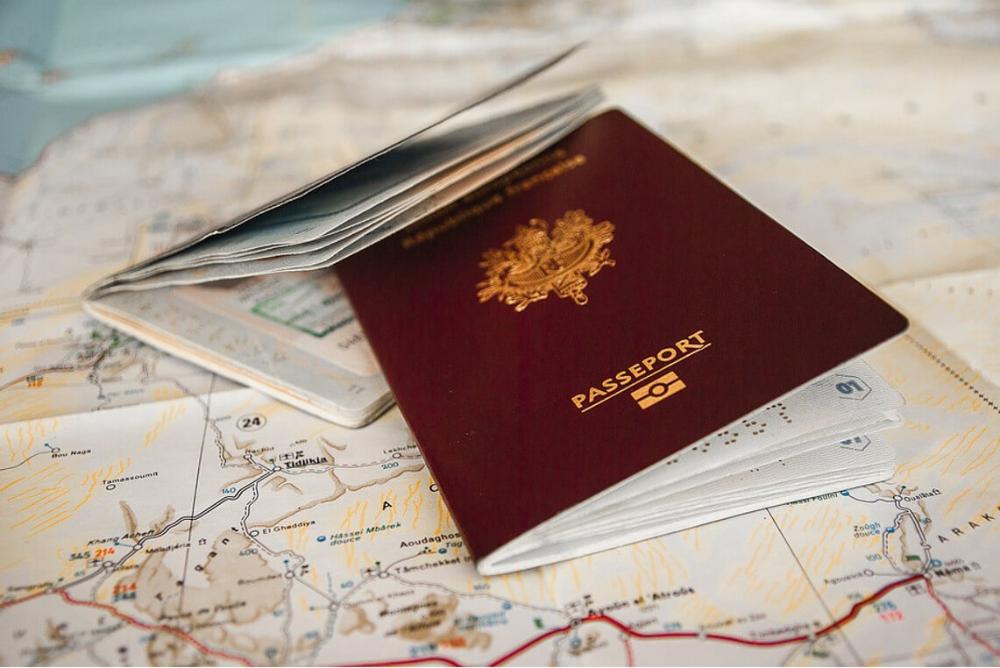
Entering the UK is incredibly easy for French citizens. You simply need your valid identity card (or passport). This will be required at the various customs checkpoints.
Remember to apply for a European Health Insurance Card (EHIC). This card proves your entitlement to healthcare and will allow you to receive necessary treatment free of charge if needed (or be easily reimbursed later). You must apply at least 15 days in advance, and it is valid for two years in European Union countries. If necessary, you can obtain a temporary replacement certificate immediately. This certificate works in the same way as the EHIC.
GETTING AROUND LONDON
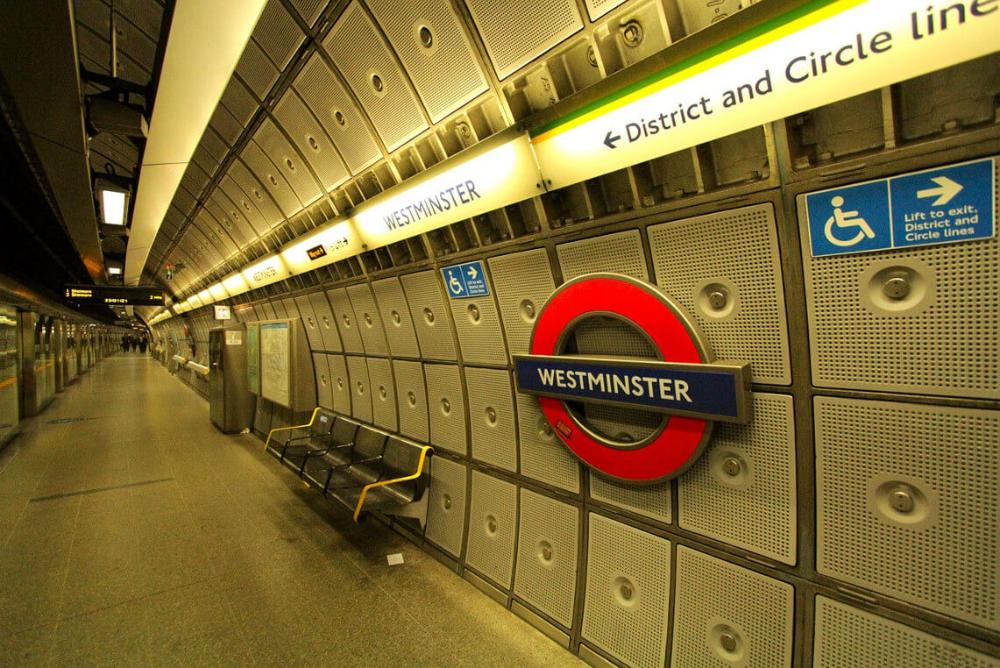
Public transport is highly recommended for getting around London. The city has an excellent underground and bus network. Cars must pay a daily congestion charge (approximately €12).
Londoners use an Oyster Card to get around. It's a rechargeable card that offers great flexibility. You can buy it at Tube stations for £5. You also need to top it up before you can use it. Then you pay as you go (" Pay as you Go "). A Tube journey in Zone 1 costs £2.40, while a bus journey costs £1.50. There's a daily cap. For example, in Zone 1, you can spend a maximum of £6.80 per day. This means that if you take three or more Tube journeys in Zone 1, you'll pay £6.80 (instead of a minimum of £7.20). Before you leave, you can get a refund for the cost of the card by visiting the Visitor Centre at King's Cross.
Avoid buying Tube tickets; they are prohibitively expensive. They start at £4.90 (twice as expensive as the same journey with an Oyster Card).
You can also use the Travelcard system to travel on London's public transport network. It's a type of pass that can be loaded onto an Oyster card or purchased as a paper pass. They're a good value for longer stays of one week or more (starting from £34). To load a Travelcard onto an Oyster card, go to a Tube station. To get a paper Travelcard (which lets you take advantage of great 2-for-1 offers ; one free entry to an attraction with the purchase of one entry when you present a paper Travelcard), go to the ticket office at a train station (King's Cross, Victoria, St. Pancras, Euston, etc.). You'll need a passport photo for this.
The last option for getting around London is the taxi. London's black cabs are found all over the city. As in France, you simply hail one or book in advance by phone. Expect to pay around £15 for a 20-minute ride. There is also an alternative service: minicabs. While reputed to be cheaper, booking them is mandatory. Minicabs offering rides without a prior reservation are illegal, and it is strongly advised against accepting them.
EXCHANGE YOUR EUROS FOR POUNDS STERLING
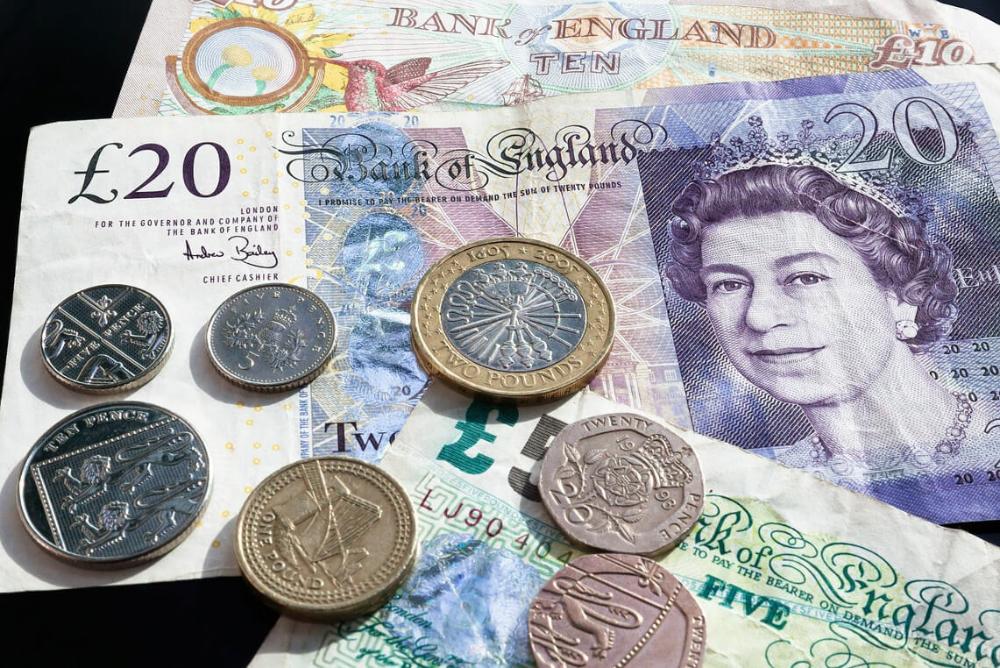
The United Kingdom, as you probably know, uses the pound sterling as its currency. You will therefore need to exchange your euros for pounds. There are several ways to do this, some more expensive than others.
The most convenient and cheapest option is to bank with a bank that doesn't charge fees on payments and withdrawals abroad. The exchange rate won't be exactly the current rate, but it's acceptable compared to other options (1 to 2 cents/£ against you). This way, you can continue to pay and withdraw money with your usual credit card.
Unfortunately, this isn't the case for most banks, which charge a commission on every foreign currency transaction. If this applies to you, you should consider using currency exchange offices.
Currency exchange offices allow you to exchange your euros for pounds sterling. You can find them online before you leave, or once you arrive. There are plenty in London, so don't hesitate to compare. If the exchange rate isn't favourable, try other exchange offices. You can check the current rate using Google (click here for today's exchange rate of one euro to pounds sterling).
Some department stores (like Harrods or Fortnum & Mason) offer the option to pay in pounds sterling or in the currency of your bank card (usually euros). You'll need to make this choice at the payment terminal. Check the exchange rate, but it's generally more advantageous to pay in pounds if your bank doesn't charge a commission. Otherwise, pay in euros. The exchange rate is better than that offered by currency exchange offices.
We hope this short guide has helped you plan your trip to London. The city offers so many possibilities that it can sometimes be a little overwhelming. We plan to publish more detailed guides, each focusing on a specific topic, in the coming months. Feel free to ask any questions you may have in the comments!
Comments (2)